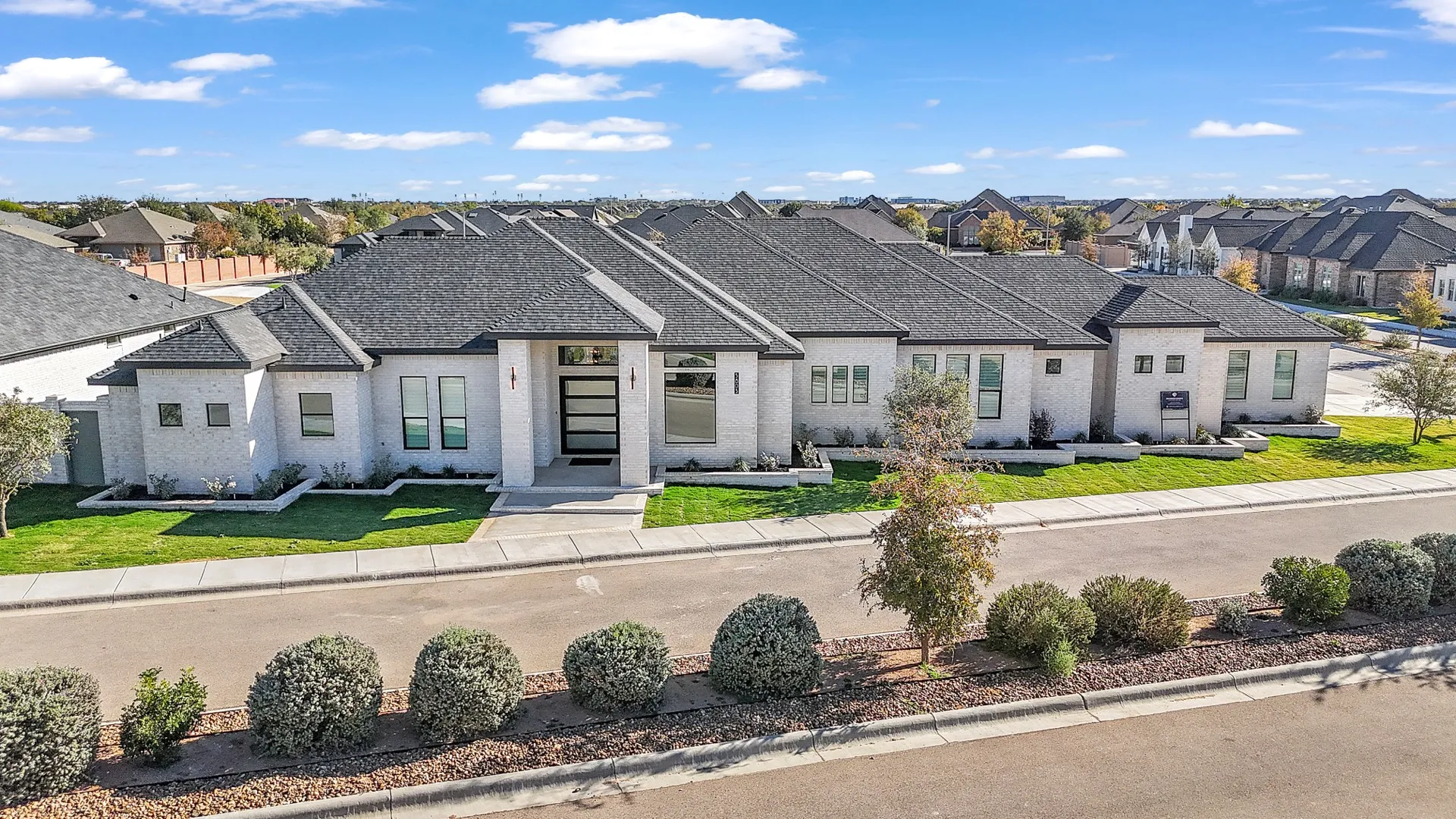
The custom home building process feels less overwhelming when you know what happens next.
Most people come to us with some combination of land, inspiration photos, a rough budget, and questions. Some have architectural plans ready. Some have only a neighborhood in mind. Both are normal starting points.
This guide explains the process we use for custom homes in Midland, Odessa, and nearby Permian Basin communities.
Step 1: The First Conversation
The first conversation is not a sales pitch. It is a fit check.
We want to understand:
- Where you want to build
- Whether you already own land
- Your target square footage
- Your budget range
- Your timeline
- Your must-have rooms and features
- Your preferred style
- Whether you need help with plans, selections, or lot review
This is also where you should ask direct questions about the builder. How long have they been building? What does the contract include? Who manages construction? How are changes handled? If you want a full checklist, read our guide to questions to ask a custom home builder.
Step 2: Lot and Site Review
In Midland and West Texas, the lot can shape the project as much as the floor plan.
Before pricing feels real, review:
- Soil and foundation needs
- Drainage and grading
- Utility access
- Driveway location
- Setbacks and easements
- HOA or deed restrictions
- Sun and wind exposure
- Room for outdoor living, pool, shop, or extra garage space
If you already own land, we talk through what is known and what still needs to be verified. If you are still shopping, a builder can help you avoid land that looks attractive but creates expensive site problems.
Step 3: Budget Range and Scope
Custom homes are not priced like production homes because every project is different.
Early budget conversations should include:
- Construction cost range
- Land cost if not already owned
- Site work
- Utility connections
- Architectural or design fees
- Allowances for selections
- Landscaping
- Contingency
For Midland planning, start with the custom home cost guide. It explains how square footage, finish level, roof complexity, outdoor living, and lot conditions affect price.
The goal at this stage is not a final bid. The goal is alignment. If the budget, home size, finish level, and lot do not match, it is better to find out before plans are complete.
Step 4: Design and Plan Development
Some clients bring plans. Others start from scratch.
Either way, the plan needs to fit your life and your lot. We look at how the home functions every day: kitchen flow, garage access, laundry location, guest rooms, outdoor living, storage, ceiling heights, natural light, and privacy.
Good plan development includes practical questions:
- Where will people enter with groceries?
- How does the kitchen connect to outdoor living?
- Is there enough storage where it is actually needed?
- Does the master suite feel private?
- Are bedrooms sized for the way your family uses them?
- Does the plan handle West Texas sun and wind?
This stage is where the home becomes personal, but it also needs discipline. Every added corner, roofline, window, and custom detail affects cost.
Step 5: Specifications, Allowances, and Pricing
Before construction starts, the contract should define what is included.
That means:
- Scope of work
- Plans and specifications
- Allowance amounts
- Payment schedule
- Change-order process
- Warranty terms
- Timeline expectations
Allowances deserve special attention. A vague allowance can make a bid look lower than it really is. You should know what the cabinet, flooring, lighting, appliance, plumbing fixture, and countertop allowances actually buy.
A good process makes the budget visible before you are standing in a showroom trying to make decisions under pressure.
Step 6: Selections
Selections turn the plan into a home.
Typical selections include:
- Exterior materials
- Roofing
- Windows and doors
- Flooring
- Cabinets
- Countertops
- Plumbing fixtures
- Lighting
- Paint
- Hardware
- Appliances
- Tile
The earlier major selections are made, the smoother construction goes. Late selections can delay ordering, affect subcontractor schedules, or create change orders.
We encourage clients to make the highest-impact decisions early: exterior direction, cabinet style, flooring, countertops, appliances, and plumbing fixtures.
Step 7: Permits, Engineering, and Preconstruction
Before work begins, the project moves through engineering, permits, and scheduling.
In Midland, this can include foundation engineering, city or county permit requirements, subcontractor scheduling, material ordering, and final construction planning.
This step is not glamorous, but it matters. A disciplined preconstruction phase helps prevent avoidable delays after dirt starts moving.
Step 8: Construction
The construction phase usually follows this sequence:
- Site preparation
- Foundation
- Framing
- Dry-in
- Rough plumbing, electrical, and HVAC
- Insulation
- Drywall
- Interior finishes
- Exterior finishes
- Final systems, cleanup, and punch list
Every home is different, but the principle is the same: each phase depends on the one before it. Communication matters most when schedule changes, weather, inspections, or material delays affect the order of work.
Step 9: Walkthrough, Punch List, and Move-In
Near the end, the focus shifts from big construction phases to details.
The walkthrough should identify:
- Paint touch-ups
- Door and cabinet adjustments
- Fixture issues
- Cleaning needs
- Mechanical checks
- Final exterior items
- Any incomplete details
The punch list is normal. A good builder treats it seriously because the last 2% is what the homeowner sees every day.
How Long Does a Custom Home Take?
Timeline depends on size, design complexity, weather, lot conditions, selection timing, permit flow, and material availability.
For many custom homes, the full process from first conversation to move-in can take several months to more than a year. Construction itself often takes many months after preconstruction is complete.
The more decisions you make before construction starts, the easier the timeline is to manage.
Frequently Asked Questions About the Building Process
When should I contact a builder?
Contact a builder before plans and land are final if possible. Early builder input can help with budget, lot fit, site work, and plan practicality.
Can I bring my own architect or plans?
Yes. Many clients bring plans or work with an outside architect. The builder still needs to review buildability, budget fit, and local construction considerations.
Can changes be made during construction?
Often, yes, but changes should be documented in writing with cost and schedule impact before work begins. Early changes are easier than late changes.
What causes delays?
Common delays include weather, late selections, permit timing, inspection timing, material availability, change orders, and unexpected site conditions.
What is the first step with Diamond Homes?
Start with a conversation about land, budget, timeline, home size, and design goals. From there, we can discuss whether a Diamond Homes custom build is the right fit.
If you are ready to compare options, review our process page, browse completed homes, or contact Diamond Homes to talk through your project.
Armando Sanchez is co-founder of Diamond Homes Construction alongside Elia Sanchez. They've been building custom homes in Midland since 2003.